

Support · Grief resources
Pet Loss Support
We understand grief
Losing a pet means losing a member of your family, and the grief can be heavy. On this page you'll find pet loss support groups, counsellors, books and our own advice, gathered by our team for the families we care for.
Pets give us company and unconditional love every day, so their absence can be overwhelming. Other people don't always see how much it hurts, and that can leave you feeling alone and finding everyday life hard. You may catch yourself looking for your pet, or find that sadness comes in waves with each reminder.
Grief takes time, understanding and permission. It helps to have people around you who understand. Some families find closure in making a memorial, others in helping other animals. With time, the love and joy your pet brought into your life stay with you.
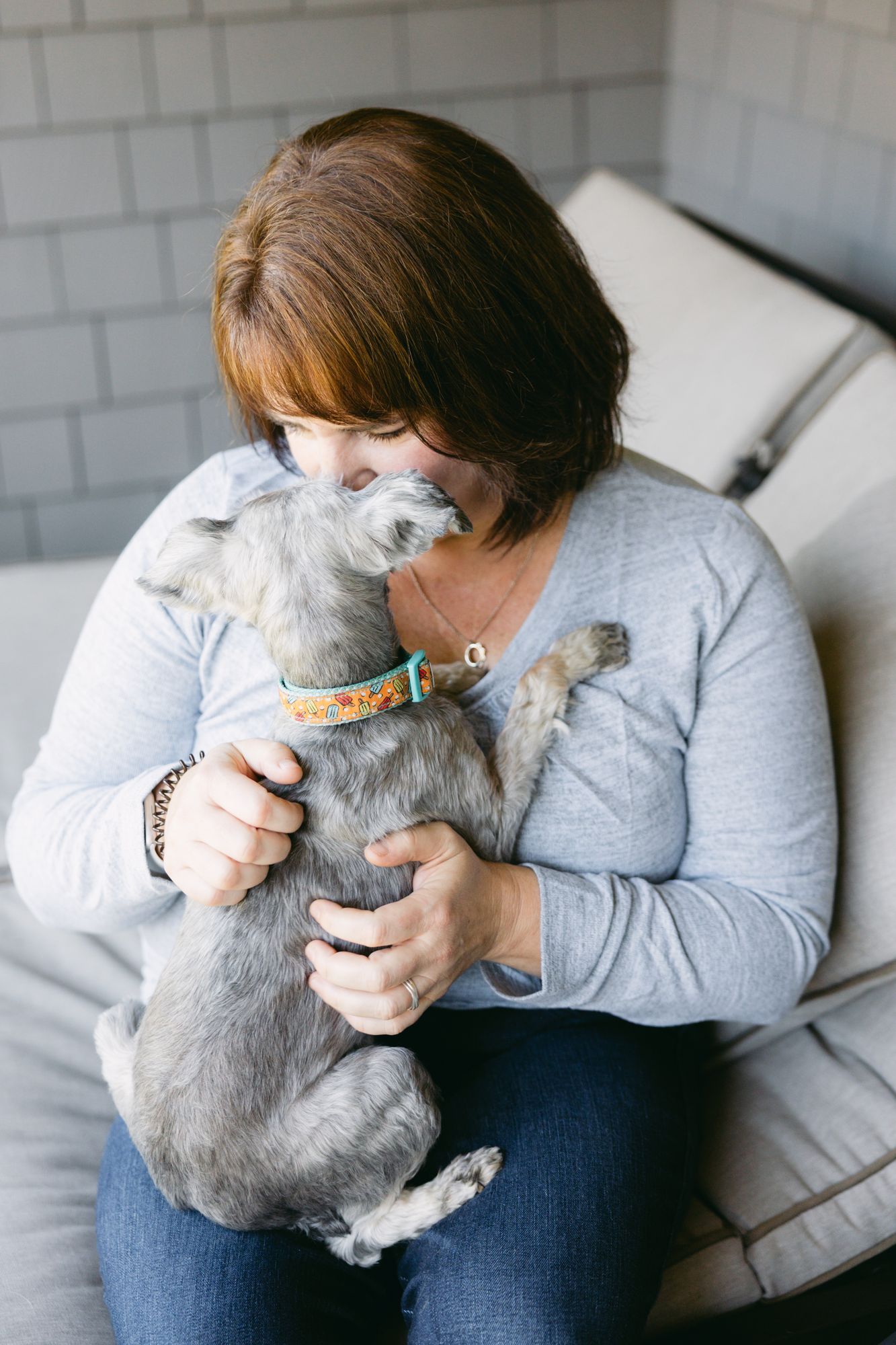
Pet loss support groups and resources
Places to talk, to remember your pet and to read about grief, all online or by phone.
Support groups and people to talk to
Ontario Pet Loss Support Group
Phone support, support meetings and a Facebook group, from people who understand what losing a pet feels like.
Association for Pet Loss and Bereavement (APLB)
Free help for anyone grieving a pet. Their chat rooms are led by trained pet bereavement counsellors, and they also offer personal email support.
Rainbow Bridge
Online memorials for your pet and a grief support community of people who have lost pets too.
Reading and learning online
Pet-loss.net
Articles on grieving before a loss, helping children cope, quality of life, working through guilt and more.
Grief Healing, by Marty Tousley
Courses on healing from grief, plus articles and book lists for adults and children.
OVC Pet Trust Pet Loss Support
Pet loss resources from the Ontario Veterinary College's Pet Trust in Guelph.
Coping with the loss of a pet
There is no right way to grieve and no timetable. These are the things families tell us help.
Give yourself permission to grieve
Losing a pet is a real loss, even when others don't treat it as one. Take the time you need, and let yourself feel it.
Expect waves
Sadness often comes back with reminders: their bowl, the time of the evening walk, an empty spot on the couch. That's normal, and it softens with time.
Lean on people who understand
A friend who knew your pet, a pet loss support group or a counsellor can help. You don't have to do this alone.
Make a memorial
A paw print, a favourite photo, a planted tree or a place to scatter their ashes. Our aftercare page has keepsake ideas.
Help other animals
Some families find comfort in volunteering at a shelter or giving to an animal charity in their pet's name.
Feeling guilty about the decision is very common, and it comes from how much you love your pet. Read our answer on guilt in our FAQs.
Pet loss counselling
If your grief feels too heavy to carry alone, a counsellor can help. Many counsellors, therapists and psychologists work with grief, and some focus on pet loss. You can search online, or use a directory such as Theravive to find a qualified counsellor or therapist near you.
We shared advice from these three pet loss counsellors in our blog post, Navigating pet loss during the holidays.

Helen Goldberg
Pet Loss Counselling, TorontoHelps grieving pet parents find acceptance and resolve, with tools and techniques for moving forward. Virtual family sessions and individual appointments.
petlosscounselling.netNatasha Tutt, MSW, RSW
Registered Social Worker and Certified Pet Loss and Bereavement SpecialistSupports people facing the hard parts of caring for an animal, especially end-of-life decisions and grief after a death. Individual therapy and a grief-focused therapeutic writing group. Covered by most workplace benefits providers.
natashatuttmsw.comColleen Rolland
Pet Bereavement Services, for all creatures great and smallWorks alongside your veterinarian to listen and help you through each phase of grief, toward acceptance and resolution. Support before, during and after euthanasia.
petbereavementservices.com
Helping children grieve
Be honest and use plain words. Explain what death is, let children ask questions and tell them the truth as you know it, along with how you feel. It's fine to say you don't know where pets go when they die. Never suggest a child is to blame, or that the separation isn't permanent.
A small funeral or candle-lit ceremony, or scattering the ashes together in your pet's favourite place, can help the whole family. Letters and drawings can be tucked in with your pet when they leave your home. Read our guide to helping children say goodbye.
Helping your other pets
Other pets often grieve too. They may search for their companion, pace, seem low for days or weeks, or go off their food. Some seem not to notice at all.
- Keep meals and walks at the usual times.
- Give extra comfort and attention, without rewarding anxious behaviour.
- Watch their appetite, and call your regular vet if they seem distressed or won't eat.
- Wait before bringing home a new pet, until you have both had time to grieve.

Books about pet loss
These are the books we suggest most often. All are available from Amazon.ca.
- The Loss of a Petby Wallace Sife, PhD
- Children and Pet Lossby Marty Tousley
- A Peaceful Pathby M.J. Tucci and Laurie Califf
- Goodbye, Friendby Gary Kowalski
- Coping with Sorrow on the Loss of Your Petby Moira Anderson Allen
- The Grief Recovery Handbook for Pet Lossby Russell Friedman, Cole James and John W. James
- When Your Pet Dies: A Guide to Mourning, Remembering and Healingby Alan D. Wolfelt, PhD
More from our blog
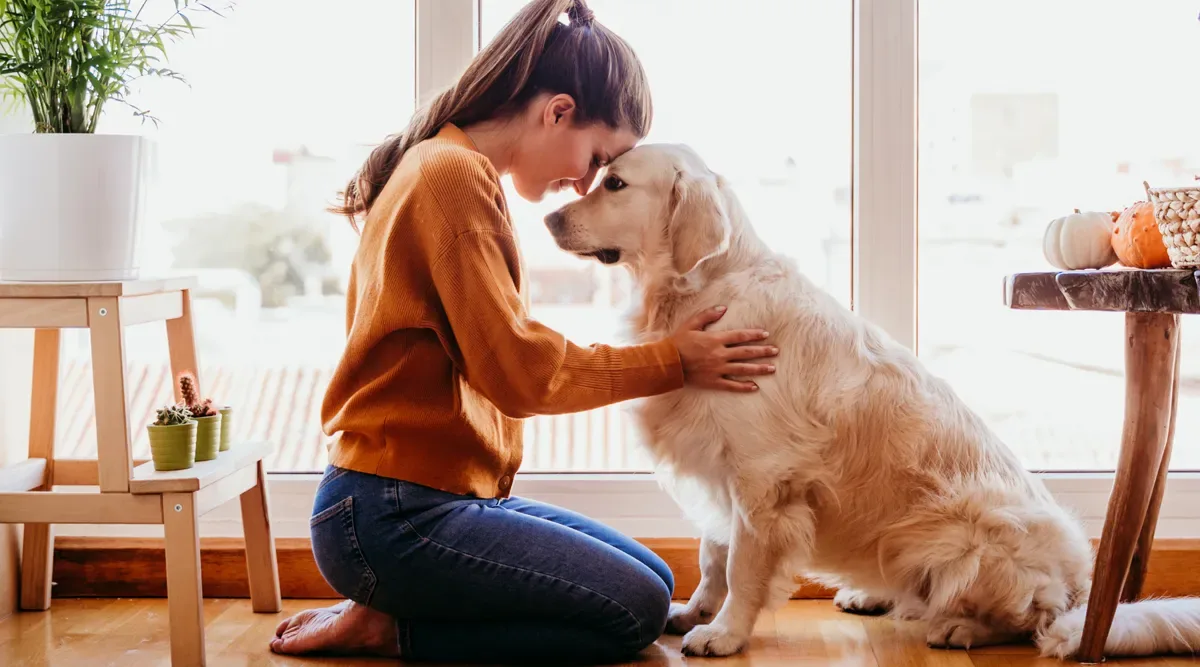
Anticipatory grief and preparing for your pet's passing
Grief often starts before a pet passes. Gentle ways to cope in their last days and to prepare yourself for the goodbye.
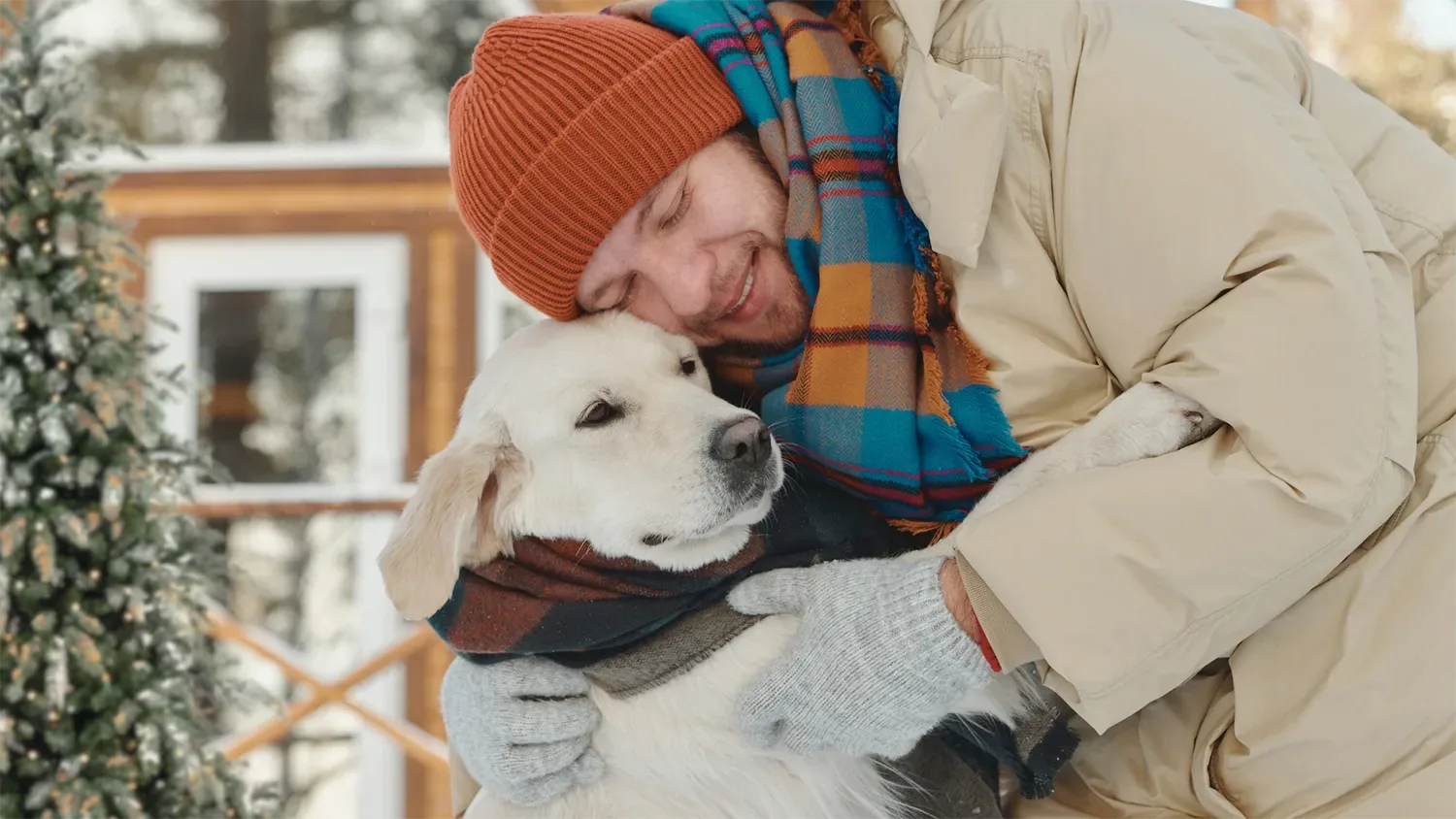
Navigating pet loss during the holidays
Advice from three grief counsellors for getting through the holidays after losing a pet.
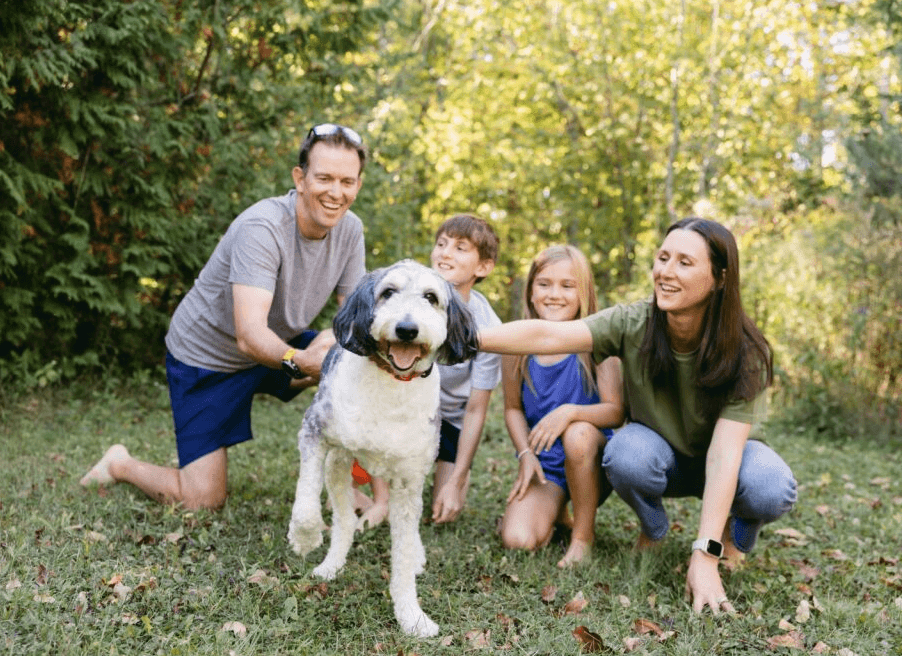
Helping children say goodbye
How to decide whether a child should be there for a pet's euthanasia, and how to prepare them either way.
We're here when you need us
If you're preparing to say goodbye, fill out our short form for a personal quote and the times we can come. If your pet has already passed away at home, we can help with aftercare.